Here’s a critical look at the current state of marketing hardware. From immersive AR/VR experiences to dynamic digital signage, the options seem endless. But are these shiny new toys truly driving ROI, or are they just expensive distractions? As a CMO navigating the ever-evolving tech landscape, I’m here to cut through the hype and offer a practical perspective. Are you ready to separate the signal from the noise?
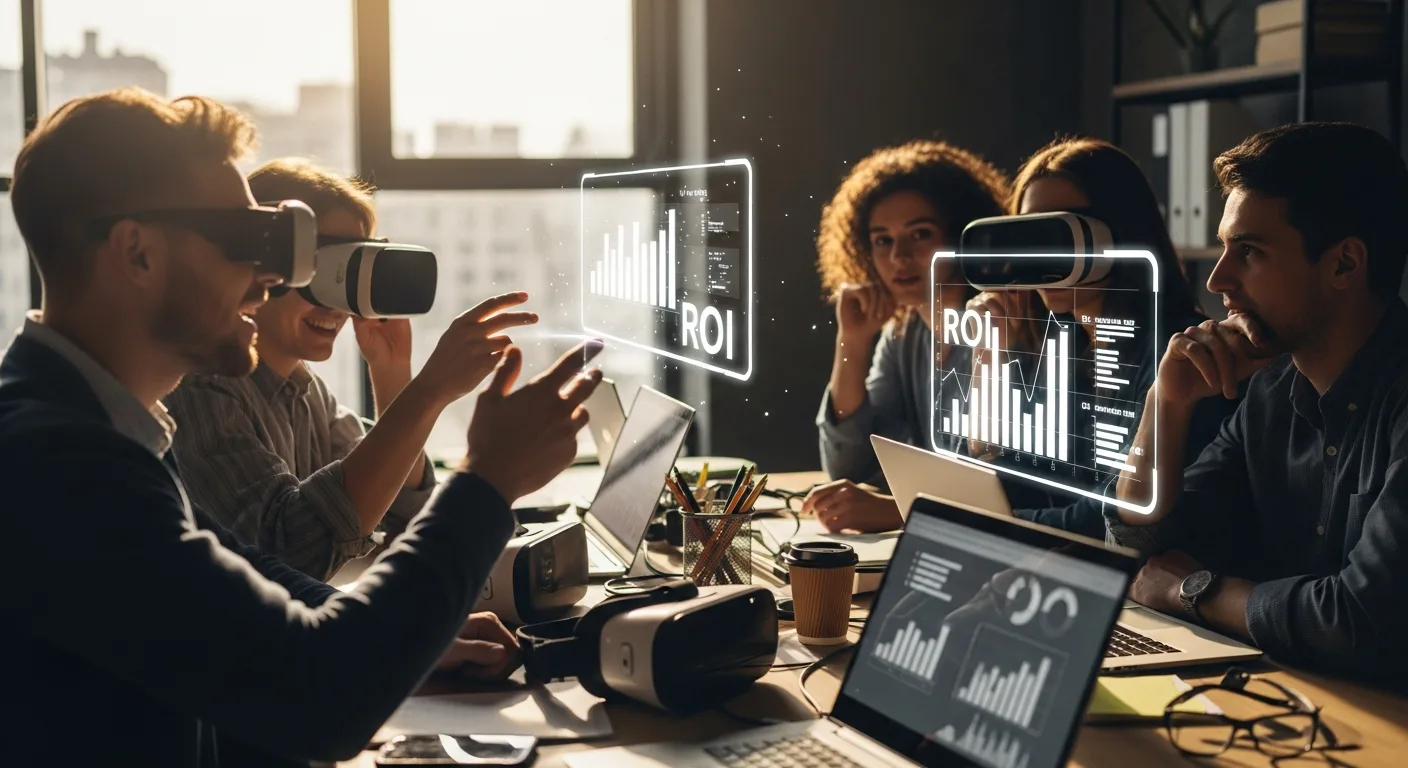
Evaluating the ROI of AR/VR in Marketing
Augmented Reality (AR) and Virtual Reality (VR) have been touted as the next big thing in marketing for years. While the technology has matured significantly, the question remains: are they delivering a tangible return on investment (ROI)? The answer, unfortunately, is nuanced.
Early adopters saw some success with novelty campaigns, but these often lacked staying power. Consumers were intrigued but didn’t necessarily convert. Now, the focus is shifting to more practical applications. For example, retailers are using AR to allow customers to virtually “try on” clothes or “place” furniture in their homes before buying. Shopify reports that merchants using AR on product pages see a 94% increase in conversion rates.
However, implementing AR/VR effectively requires significant investment. Development costs can be high, and creating compelling, user-friendly experiences demands specialized expertise. Furthermore, access to the necessary hardware (headsets, compatible devices) isn’t universal, limiting the reach of these campaigns.
Here’s a framework for evaluating the potential ROI of AR/VR:
- Define clear objectives: What specific marketing goals are you trying to achieve (e.g., increased brand awareness, higher conversion rates, improved customer engagement)?
- Identify target audience: Is your target audience likely to be receptive to AR/VR experiences? Consider their demographics, tech savviness, and purchasing behavior.
- Assess cost vs. potential benefit: Carefully weigh the development costs, hardware requirements, and potential reach against the anticipated increase in sales or brand equity.
- Track and measure results: Implement robust analytics to track key metrics such as engagement time, conversion rates, and customer satisfaction.
In my experience, pilot projects are crucial. Start small, test your assumptions, and iterate based on data. Overly ambitious AR/VR projects often fall flat due to poor execution or a lack of clear business objectives.
The Power and Pitfalls of Digital Signage
Digital signage has evolved far beyond static billboards. Modern digital signage solutions offer dynamic content, interactive experiences, and sophisticated analytics. But are businesses maximizing their potential?
One of the biggest advantages of digital signage is its ability to deliver targeted messages to specific audiences at specific times. For example, a restaurant can display lunch specials during the noon hour or promote happy hour deals in the late afternoon. According to research from Nielsen, digital signage can increase brand recall by as much as 47%.
However, effective digital signage requires more than just slapping up a screen and displaying random ads. Content must be relevant, engaging, and visually appealing. Static or poorly designed content can be just as ineffective as a traditional billboard.
Here are some best practices for implementing digital signage:
- Know your audience: Understand their needs, interests, and pain points. Tailor your content accordingly.
- Create compelling content: Use high-quality visuals, concise messaging, and clear calls to action. Consider incorporating video, animation, and interactive elements.
- Optimize placement: Position your screens in high-traffic areas where they are easily visible to your target audience.
- Leverage analytics: Track key metrics such as dwell time, engagement rates, and conversion rates. Use this data to optimize your content and placement.
- Integrate with other marketing channels: Coordinate your digital signage campaigns with your online marketing efforts to create a seamless customer experience.
A common mistake is neglecting content updates. Screens that display the same information for extended periods quickly lose their effectiveness. Regularly refresh your content to keep it fresh and engaging.
Navigating the World of Interactive Kiosks
Interactive kiosks offer a powerful way to engage customers, provide information, and even facilitate transactions. From self-service checkouts to wayfinding systems, kiosks are becoming increasingly common in retail, hospitality, and transportation.
The key to successful kiosk deployment is to focus on user experience. Kiosks should be intuitive, easy to use, and accessible to people of all abilities. A clunky or confusing interface will frustrate users and drive them away.
Here are some factors to consider when designing and implementing interactive kiosks:
- User-friendly interface: Design an intuitive and easy-to-navigate interface. Use clear and concise language, large buttons, and visual cues.
- Accessibility: Ensure that your kiosks are accessible to people with disabilities. Consider factors such as screen height, font size, and audio output.
- Security: Protect your kiosks from vandalism and unauthorized access. Implement security measures such as tamper-proof enclosures, password protection, and remote monitoring.
- Maintenance: Regularly maintain your kiosks to ensure that they are functioning properly. Schedule routine cleaning, software updates, and hardware repairs.
- Data privacy: Be transparent about how you collect and use customer data. Comply with all relevant privacy regulations.
The rise of voice-activated kiosks is also a trend to watch. These kiosks allow users to interact with the system using natural language, making them even more accessible and user-friendly.
A recent study by Forrester found that businesses that invest in user experience see a 10-15% increase in customer satisfaction and a 10-15% reduction in customer service costs.
Harnessing the Power of Projection Mapping
Projection mapping transforms ordinary surfaces into dynamic displays. By projecting images and animations onto buildings, objects, or even landscapes, projection mapping can create immersive and unforgettable experiences.
Projection mapping has become increasingly popular for events, product launches, and public art installations. It can also be used to enhance retail environments, create interactive museum exhibits, and even personalize interior spaces.
Here are some tips for creating effective projection mapping experiences:
- Choose the right surface: The surface you project onto will have a significant impact on the overall effect. Consider factors such as size, shape, texture, and color.
- Create compelling content: Your content should be visually stunning and relevant to your audience. Use high-resolution images, animations, and video.
- Optimize projection: Ensure that your projectors are properly aligned and calibrated. Use appropriate lenses and lighting to achieve the desired effect.
- Consider sound: Sound can enhance the impact of your projection mapping experience. Use music, sound effects, and voiceovers to create a more immersive experience.
- Obtain necessary permits: Before launching a projection mapping project, check with local authorities to ensure that you have all the necessary permits and approvals.
One of the biggest challenges of projection mapping is dealing with ambient light. Bright sunlight can wash out the projected images, making them difficult to see. Consider using high-brightness projectors or scheduling your projections for nighttime.
Hardware Review: Specific Models and Recommendations
Moving beyond general categories, let’s get specific with a few hardware review examples. Note that prices and availability can change rapidly in the hardware market.
- Digital Signage Display: The Samsung QM980C (approx. $15,000) offers a stunning 98-inch display with 4K resolution and excellent color accuracy. Its built-in System-on-Chip (SoC) simplifies content management. Alternative: LG 86UH5J-H (approx. $12,000) is a strong contender.
- Interactive Kiosk: The Olea Kiosks Geneva model (custom pricing) is known for its durability and modular design. It can be configured with various peripherals, such as barcode scanners, printers, and payment terminals. Alternative: Frank Mayer and Associates, Inc. offers many customizable options.
- AR Headset: The Microsoft HoloLens 3 (expected release Q4 2026, estimated price $4,000) is anticipated to offer significant improvements in processing power, field of view, and comfort compared to its predecessor. Alternative: Magic Leap 3 (price and release date TBD) is also generating buzz.
- Projection Mapping Projector: The Epson Pro L20000UNL (approx. $25,000) is a powerful laser projector with 20,000 lumens of brightness and 4K resolution. It’s ideal for large-scale projection mapping projects. Alternative: Christie D20WU-HS (approx. $22,000) is another top performer.
These are just a few examples, and the best choice for your business will depend on your specific needs and budget. It is important to thoroughly research your options and compare specifications before making a purchase.
The Future of Marketing Hardware: What’s Next?
The marketing hardware landscape is constantly evolving. We can expect to see even more innovative technologies emerge in the coming years. Artificial intelligence (AI) will play an increasingly important role, enabling more personalized and interactive experiences. For example, AI-powered digital signage can analyze facial expressions and demographics to deliver targeted messages in real time.
The integration of 5G technology will also unlock new possibilities, enabling faster data transfer rates, lower latency, and more seamless connectivity. This will be particularly important for AR/VR applications, which require high bandwidth and low latency to deliver realistic and immersive experiences.
Furthermore, sustainability will become an increasingly important consideration. Businesses will be looking for eco-friendly hardware solutions that minimize energy consumption and reduce their environmental impact.
In conclusion, while flashy new marketing hardware can be tempting, success lies in strategic implementation. Define clear objectives, understand your audience, and measure results. Don’t get caught up in the hype – focus on solutions that deliver real value and contribute to your bottom line. The actionable takeaway? Start small, test often, and always prioritize user experience.
What is the biggest mistake companies make when investing in marketing hardware?
The biggest mistake is investing in hardware without a clear understanding of their target audience and marketing objectives. They often focus on the “cool factor” rather than the potential ROI.
How can I measure the effectiveness of my digital signage campaigns?
Track metrics such as dwell time, engagement rates, and conversion rates. Use analytics tools to measure the impact of your campaigns on sales and brand awareness.
What are the key considerations when choosing an interactive kiosk?
Focus on user experience, accessibility, security, and maintenance. Ensure that your kiosks are easy to use, accessible to people of all abilities, and protected from vandalism.
How can I create compelling content for projection mapping?
Use high-resolution images, animations, and video. Tailor your content to your audience and the specific surface you are projecting onto. Consider using sound to enhance the impact of your experience.
What is the future of marketing hardware?
Expect to see more AI-powered solutions, greater integration of 5G technology, and a growing emphasis on sustainability. The focus will be on creating more personalized, interactive, and eco-friendly experiences.